Have you ever typed a word and wondered if you spelled it wrong? That happens a lot with plough and plow.
They look different. But they mean the exact same thing. One is not a mistake. They are just two ways to spell the same word.
British writers use “plough.” American writers use “plow.” Simple as that. Millions of people search this word every year because they are not sure which spelling to use. Students get confused. Writers get stuck.
Even teachers debate it. This article gives you a clear, fast answer. You will know exactly which spelling to use, when to use it, and why both versions exist.
No more guessing. No more second-guessing yourself.
Plough or Plow Quick Answer
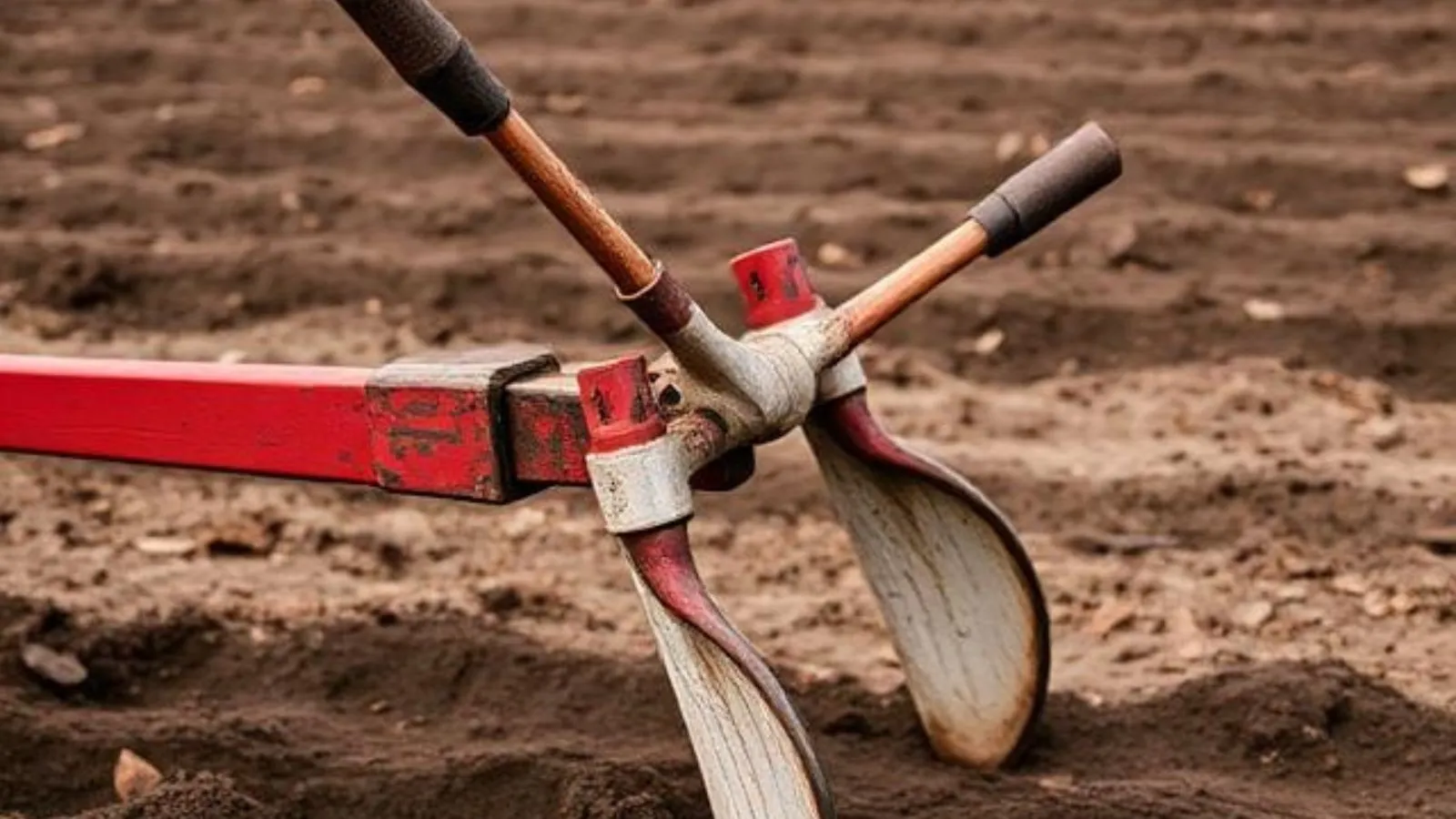
Both words mean the same thing. A plough (or plow) is a tool used to dig and turn over soil. Farmers use it before planting seeds. The only difference is spelling. Plough is used in the UK, Australia, and most Commonwealth countries. Plow is used in the United States and Canada. Neither spelling is wrong. You just need to pick the right one for your audience.
The Origin of Plough or Plow
The word comes from very old languages. It goes back to the Old English word ploh. Before that, it came from Old Norse and Germanic roots. People have used this tool for thousands of years. It was one of the most important tools in farming history. The plough helped people grow more food. It changed how humans lived.
The spelling changed over time. As English spread to new places, it changed in different ways. American English dropped many old letters to make words shorter. British English kept the older spellings. That is why we have two versions today.
British English vs American English Spelling
British English uses plough. American English uses plow. This is a very common pattern in English. Many words are spelled differently depending on where you live. The meaning never changes. Only the letters are different.
Here is a simple table to show the difference:
| Feature | British English | American English |
| Spelling | Plough | Plow |
| Countries | UK, Australia, India, Canada (sometimes) | USA, Canada (mostly) |
| Past tense | Ploughed | Plowed |
| Present tense | Ploughing | Plowing |
| Noun form | Plough | Plow |
| Common use | Farming, formal writing | Farming, snow plow |
Both spellings are 100% correct. You just need to know your audience.
Which Spelling Should You Use?
The answer depends on who will read your writing. If you are writing for people in the United States, use plow. It is the standard there. If you are writing for people in the UK, Australia, India, or New Zealand, use plough. That is what they expect to see.
If you write for a global audience, think about where most of your readers live. Many international websites use British English. Many American websites use the shorter form. The most important thing is to pick one spelling and use it the same way throughout your whole piece. Do not switch back and forth. That looks like a mistake.
Common Mistakes with Plough or Plow
Many people mix up the two spellings in the same piece of writing. That is the most common mistake. You should not write plow in one paragraph and plough in the next. Pick one and stick with it.
Some people spell the past tense wrong. In British English, it is ploughed. In American English, it is plowed. Do not write ploughed if you are using American English. Do not write plowed if you are using British English.
Another common error is using the wrong word in phrases. For example, snow plow is the correct American spelling. In the UK, some people write snowplough. Both are fine. Just match the spelling style you have chosen.
Some people also confuse plough with plower or plougher. Those words do not exist. The person who uses a plough is simply called a farmer or a ploughman in British English.
Plough or Plow in Everyday Examples
Here are real examples of how to use this word. These show it in different types of writing.
In a news article (American style): The farmer used a plow to prepare the field for spring planting.
In a news article (British style): The farmer drove a plough across the field early in the morning.
Email (American): We need to plow through this list of tasks before Friday.
Email (British): We need to plough through these reports before the meeting.
On social media (American): Just saw a snow plow clear our street. Finally!
On social media (British): The snowplough came past at 6am. So loud!
In formal writing (British): The introduction of the iron plough improved crop yields across Europe.
In formal writing (American): Early settlers used a wooden plow to break new ground.
Notice how the word is used the same way in every sentence. Only the spelling changes.
Plough or Plow Google Trends and Usage Data
Google Trends shows a clear pattern. Plow is searched far more in the United States. Plough is more common in the UK, Ireland, and Australia. In India, both forms appear, but plough is more common in formal writing.
Here is a simple breakdown by country:
| Country | Preferred Spelling | Common Phrase |
| United States | Plow | Snow plow, plow the field |
| United Kingdom | Plough | Plough the land, ploughman |
| Australia | Plough | Plough season, ploughing |
| Canada | Plow (often) | Snowplow, plow trucks |
| India | Plough | Plough farming |
| New Zealand | Plough | Ploughing competitions |
The word plow gets more searches overall because the US has a very large internet user base. But plough is still widely used around the world.
FAQs
Is plough or plow correct?
Both are correct. Plough is British English. Plow is American English. Use the one that matches your audience.
Which spelling does Google prefer?
Google understands both spellings. It shows results for both. You can use either in your writing. For SEO, match the spelling to your target country.
What does a plow or plough do?
It is a farming tool. It digs into the soil and turns it over. This helps farmers plant seeds. It is also used in a snow plow, which clears snow from roads.
What is the past tense of plow or plough?
In American English, the past tense is plowed. In British English, it is ploughed.
Can I use both spellings in the same article?
No. You should pick one spelling and use it throughout. Mixing them looks like an error.
What is a ploughman?
A ploughman is a person who uses a plough. This word comes from British English. In the US, you might just say farmer. A ploughman’s lunch is also a popular British meal with bread, cheese, and pickles.
Is snow plow one word or two?
In American English, it is usually two words: snow plow. But snowplow as one word is also accepted. In British English, snowplough is common.
Conclusion
Plough and plow are the same word. They mean the same thing. They are just spelled differently. British and Commonwealth countries use plough. The United States uses plow. Both are correct. Both are used by millions of people every day.
The key is to know your audience. If you write for Americans, use plow. If you write for British or global readers, use plough. Always stay consistent within your writing. Do not mix the two spellings in the same piece.
This kind of spelling difference is very common in English. Other examples include colour/color and favour/favor. Now that you know the rule, you can use the right spelling with confidence.