Have you ever wondered why a country spends money on weapons but not on schools? Or why some nations have strong armies but poor hospitals?
The answer lies in a simple economic idea called guns or butter.
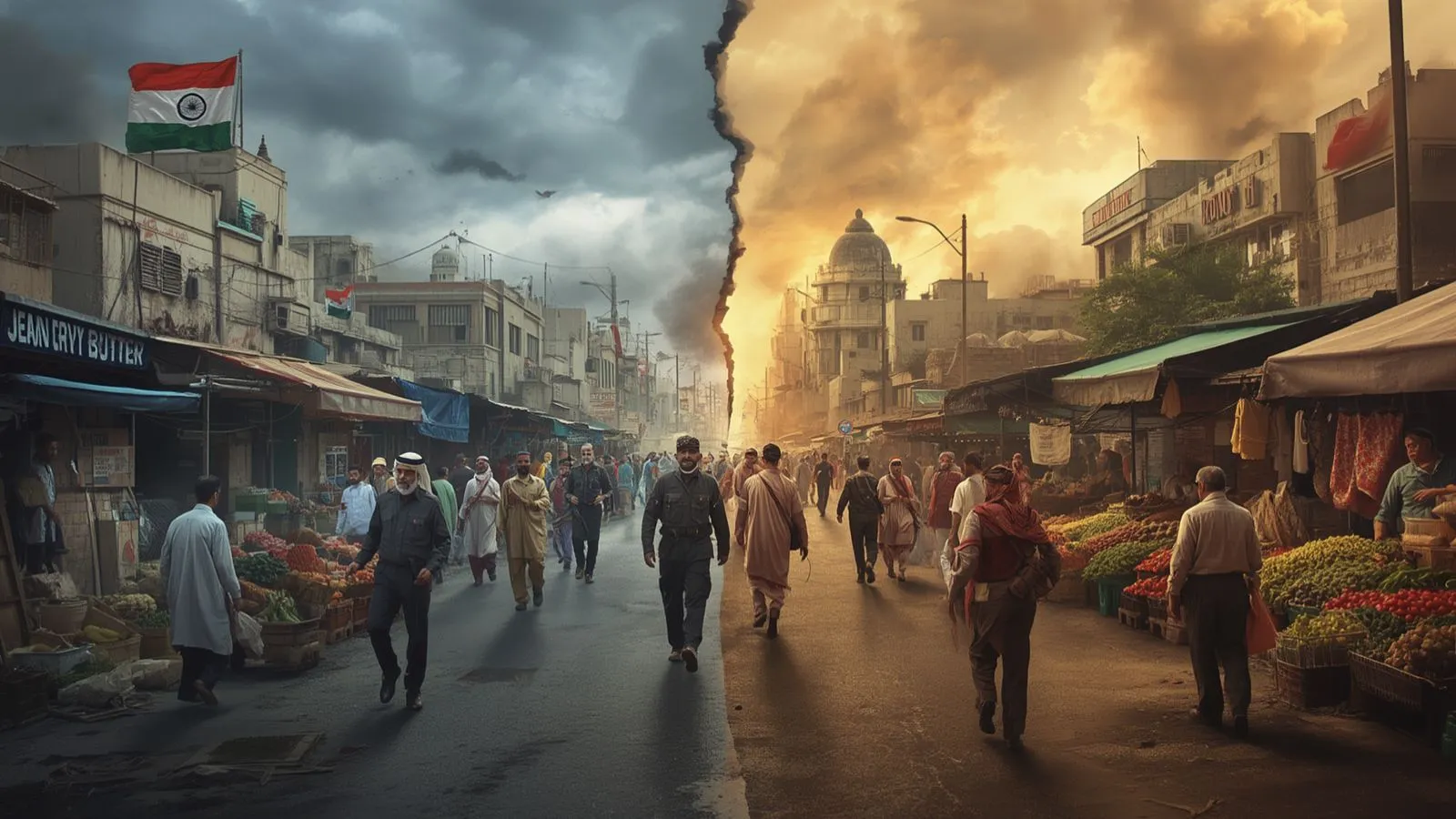
This phrase explains one of the biggest choices every government must make. It means a country can spend money on its military or on its people’s needs.
But it cannot fully do both. This idea confuses many students and readers. This article explains what it means, where it came from, and how it affects real life today.
Guns or Butter Quick Answer
Guns or butter is a simple idea in economics. It means a government must choose how to spend money. It can spend on the military (guns). Or it can spend on food and daily needs for people (butter). It cannot do both fully at the same time. This is called a trade-off. Every country faces this choice. If a country spends more on its army, it has less money for schools and hospitals. If it spends more on people’s needs, it has less money for defense. The phrase makes this hard choice easy to understand. Think of it like a budget at home. If you spend all your money on one thing, you have less for other things. Countries work the same way. This idea helps people understand why governments make the choices they do.
The Origin of Guns or Butter
This phrase is very old. It came from World War II. A German leader named Hermann Göring used it in the 1930s. He said Germany must choose guns over butter. He meant the country should build its military instead of feeding people well. The idea became famous after that. But the economic idea behind it is even older. Economists had long talked about trade-offs. They knew that resources are limited. You can use land, money, and workers for one thing or another. Not for both at the same time. The guns or butter phrase made this idea simple and clear. It gave people an easy way to talk about hard government choices. Today, teachers use it in economics classes all over the world. It is one of the first ideas students learn in economics.
British English vs American English Spelling
Good news here. The phrase guns or butter is spelled the same way in both British and American English. There is no spelling difference. Both versions use the same words. However, some related economic words do have small differences. Let us look at a simple table.
| Word | American English | British English |
| Guns or butter | Guns or butter | Guns or butter |
| Economics | Economics | Economics |
| Labor | Labor | Labour |
| Defense | Defense | Defence |
| Program | Program | Programme |
As you can see, guns or butter stays the same everywhere. Only some other words change between the two styles. So no matter where you live, you can write and use this phrase the same way. This makes it easy for everyone around the world to use it.
Which Spelling Should You Use?
Since guns or butter is spelled the same in all English, this is easy. You can use it anywhere. It works in the United States, the United Kingdom, Canada, and Australia. It works in schools, news articles, and books. If you are writing a school paper, use it freely. If you are writing a news article, use it freely. If you are a teacher explaining economics, use it freely. The only time to be careful is with other words around it. If you write for a British audience, use defence instead of defense. If you write for an American audience, use labor instead of labour. But the core phrase guns or butter never changes. This makes it one of the easiest economic terms to use in global writing.
Common Mistakes with Guns or Butter
Some people make small mistakes when using this phrase. Here are the most common ones and how to fix them.
Some people think guns only means real weapons. It does not. In this phrase, guns means all military spending. This includes soldiers, ships, planes, and weapons. Some people think butter only means the food you put on bread. It does not. In this phrase, butter means all civilian goods. This includes food, schools, roads, and hospitals. Some people use this phrase only for war time. But it applies every day. Every government budget is a form of this choice. Some students think there is only one right answer. There is not. Different countries make different choices based on their needs and situation. Some writers make it too complex. Keep it simple. The phrase is meant to make economics easy to understand, not harder.
Guns or Butter in Everyday Examples
This phrase shows up in many places. Here are some simple examples.
In a news article, you might read: The government faces a guns or butter choice this year. It must decide between buying new fighter jets or building more hospitals.
In a school essay, a student might write: The guns or butter trade-off shows us that every country must set priorities. You cannot have everything at once.
In a social media post, someone might say: Big defense budget again this year. Classic guns or butter problem. What about our roads and schools?
In a formal report, a writer might say: The policy reflects a guns or butter approach. The administration has chosen to prioritize national security over social spending this fiscal year.
In a classroom, a teacher might say: Today we learn about guns or butter. It means every country must make choices about where to spend money.
These examples show how the phrase works in real life. It fits in simple and formal writing.
Guns or Butter Google Trends and Usage Data
The phrase guns or butter is very popular online. It is searched most in the United States, United Kingdom, Canada, and Australia. Students search for it the most. This is because it is a key topic in high school and college economics classes. It is also searched during election seasons. People want to know how candidates plan to spend money. News events also drive searches. When a country increases its military budget, searches for guns or butter go up. Here is a simple look at where and why people search this phrase.
| Country | Main Reason for Search |
| United States | Economics class, defense budget news |
| United Kingdom | School exams, government spending |
| Canada | University courses, budget debates |
| Australia | Economics students, policy discussion |
| India | College economics, government planning |
The phrase stays popular year after year. It is a classic term that never goes out of style in economics.
FAQs
What does guns or butter mean?
It means a government must choose between spending on the military or spending on people’s everyday needs. It cannot fully do both at the same time.
Where did the phrase come from?
It came from World War II. A German leader used it to explain why Germany chose military spending over food for its people.
Is this only about war?
No. It applies to every government budget. Even in peacetime, leaders must choose where to spend money.
Can a country have both guns and butter?
A rich country can do more of both. But there is always a limit. No country has unlimited money. Trade-offs still exist.
Why do economics teachers use this phrase?
Because it makes a hard idea simple. It shows the idea of trade-offs in a way anyone can understand quickly.
Does this phrase apply to businesses too?
Yes. A business must also choose where to spend its money. It is the same basic idea of trade-offs and limited resources.
Is guns or butter still used today?
Yes. You will find it in textbooks, news articles, and government discussions all around the world. It is a timeless economics term.
Conclusion
Guns or butter is one of the most useful phrases in economics. It explains a simple but important idea. Every government must choose how to use its limited money. More spending on the military means less for schools, roads, and hospitals.
More spending on people’s needs means less for defense. This trade-off never goes away. It is part of every budget in every country. The phrase is easy to use because it never changes in spelling. It works the same way in American and British English.
It works in schools, news, social media, and formal reports. If you study economics, this is one of the first ideas you will learn. If you follow the news, you will see this choice play out every year.
Understanding guns or butter helps you understand why governments make the choices they do. It is a small phrase with a big meaning.